There is a real deadline
A useful urgent brief names the event, release, operational gap or decision that makes delay costly. A preference to move quickly is not enough on its own.
A focused route for a constrained problem, an urgent deadline or software that needs stabilising. We isolate the critical path and keep decisions close to delivery.
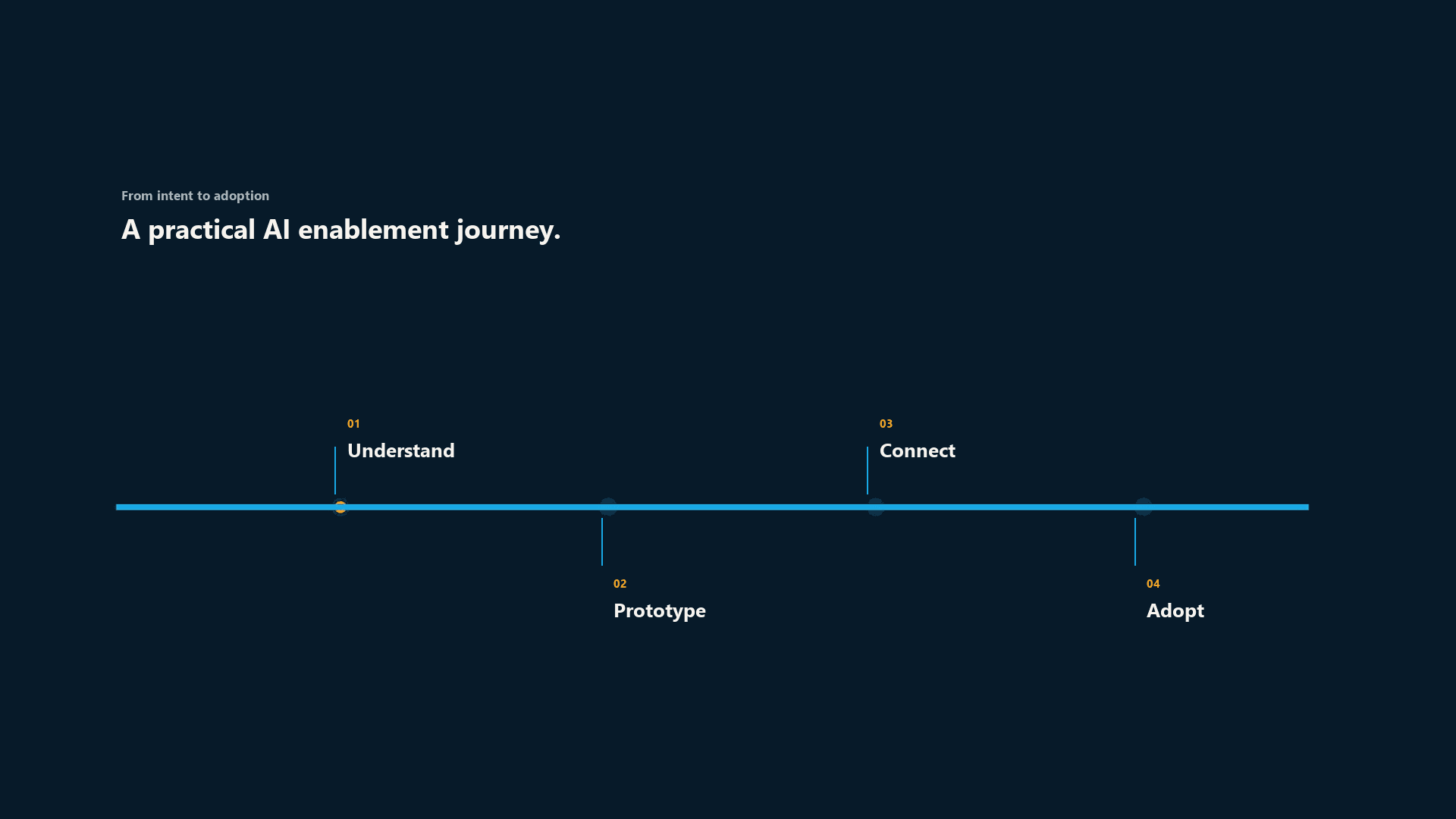
We test the brief against feasibility, risk, access and decision speed, then staff an agreed delivery path around the smallest useful outcome.
A useful urgent brief names the event, release, operational gap or decision that makes delay costly. A preference to move quickly is not enough on its own.
We need a bounded outcome, a technical route, available owners and the ability to reach the relevant systems, code or data without waiting through a long procurement chain.
The work needs an acceptance test: a workflow completed, a defect reproduced and fixed, a decision recorded or a release checked against agreed criteria.
State what has changed, what must work, the deadline, known technical constraints, who can decide, and what access is already available. This lets us assess the critical path rather than guess it.
We can assess constrained recovery or added delivery capacity. The first step is evidence-led triage of code, architecture, dependencies, release controls and the immediate operational risk.
No. The scope may be narrow, but the release still needs proportionate security, testing, ownership and rollback decisions. If those conditions cannot be met, the route or date changes.
Situation signals
A date is attached to a regulatory, contractual, operational or customer event, but the actual release path has not been tested.
A working system has become unreliable after a change, a key hand-off is failing, or the team cannot distinguish the immediate issue from the wider backlog.
An existing supplier or internal team needs bounded extra capacity around a release, rather than a wholesale replacement or an unstructured rescue promise.
Workstreams
We start by naming the affected workflow, users, environments, symptom, business impact and deadline. Reproduction steps, logs, release history and dependency ownership are more useful than a broad list of suspected causes. This establishes whether the first safe action is containment, a fix, an integration change or a short technical assessment.
The plan separates what must work now from reliability work, product improvements and longer-term modernisation. A release boundary includes exclusions, acceptance criteria, rollback or recovery thinking, and a decision owner. That prevents urgency from silently expanding into an unbounded programme.
Codebase condition, environments, source-control access, deployment permissions, third-party dependencies, data handling and testability determine the route. We identify which decision or access gap blocks progress so it can be resolved explicitly rather than being hidden behind optimistic status updates.
A contained urgent engagement should show what changed, what was verified, remaining limitations, ownership and the recommended next horizon. Handover is not a claim that every underlying risk is gone; it gives the next team or owner a clearer basis for operating and improving the system.
Decisions and acceptance
Whether containment is safer than immediate change.
Which workflow and acceptance check define the release boundary.
Which dependencies require client or supplier decisions before work can proceed.
Whether the evidence supports a fix, a stabilisation task or a larger recovery plan.
A reproduced issue, agreed affected workflow or clearly bounded release objective.
A demonstrable change checked against agreed acceptance criteria in the relevant environment.
A record of known exclusions, rollback or recovery considerations, and ownership after release.
Inputs and sequence
Named technical and operational decision-makers. Authorised access to relevant code, environments, logs, suppliers and safe data where needed. The real deadline, impact, constraints and any existing release or incident evidence.
Triage the critical path and agree the safe first move. Contain or build the bounded change while decisions stay close to the work. Verify against the agreed condition, then document the next reliability or product horizon.
Risks and limits
Urgency does not remove the need for proportionate testing, security, ownership or change control.
A date cannot be confirmed before scope, access, feasibility, delivery capacity and budget are understood.
Where evidence or safe access is insufficient, the honest outcome may be a narrower investigation or a different route.
Direct answers
Yes. The work can be scoped as focused added capacity, an independent technical assessment, a release task or a contained recovery plan. The useful boundary depends on ownership, access and the evidence available.
It should be specific to the affected workflow: for example, a defect reproduced and no longer reproduced, a release completing, an integration response checked, or an operational owner confirming the agreed condition.
No unconditional response time is claimed. Urgent work is assessed against the problem, safety of change, access, available capacity and the route to verification.
The engagement should surface that early. We distinguish immediate containment from root-cause remediation and longer-term modernisation so the client can make an informed decision rather than receive an implied guarantee.
Tell us what must move, by when, and what access is available. We will assess fit before presenting a timeline.
Discuss the delivery