There is enough evidence to triage
A rescue begins with the affected workflow, symptoms, impact, reproducibility, environments, recent change and known owners. A broad sense that the project is not working needs narrowing first.
We assess stalled builds, unstable releases, urgent defects and targeted software improvements, then define the shortest safe route to restore delivery confidence.
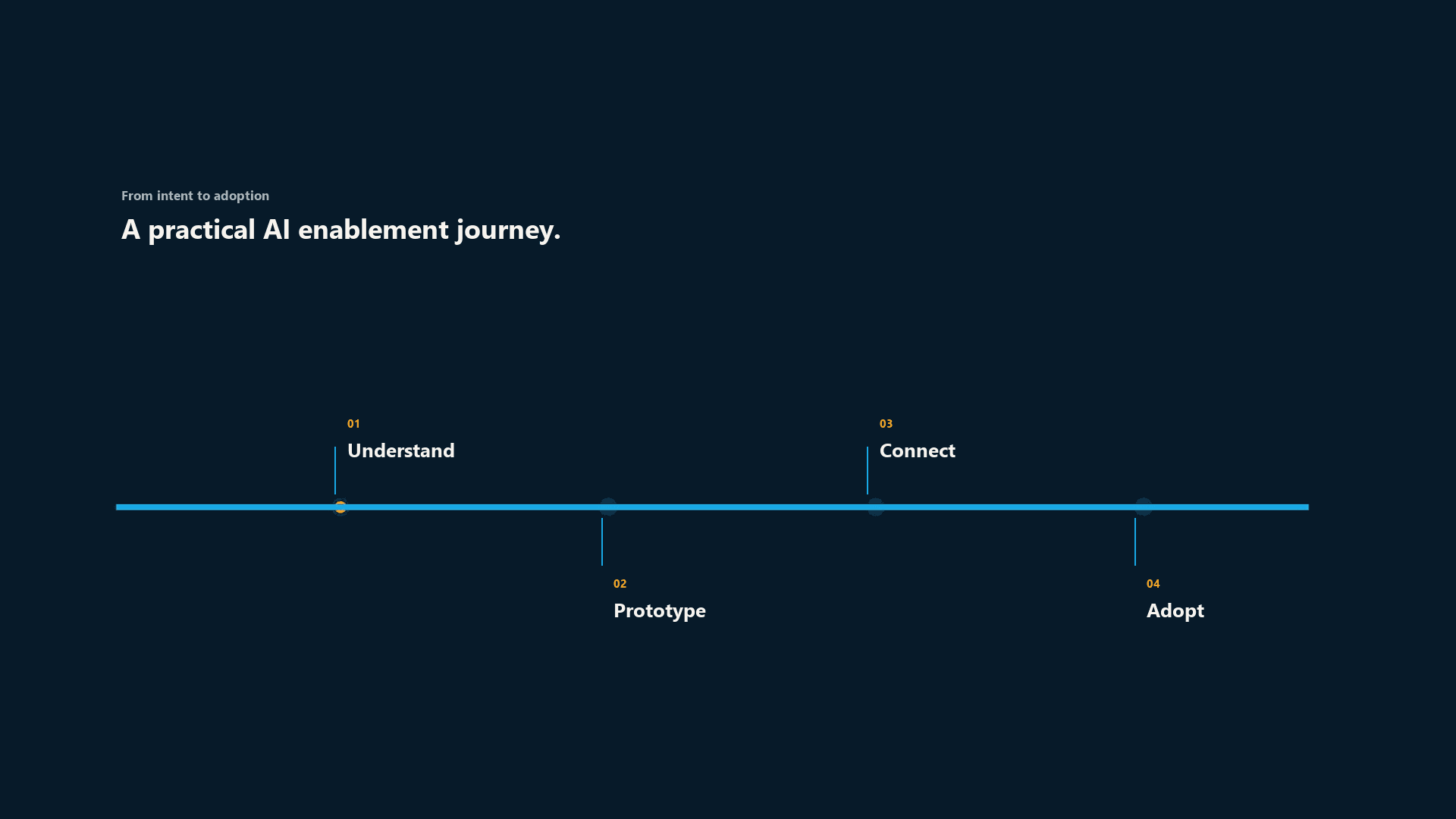
We begin with evidence: reproducibility, architecture, data, dependencies and release controls—then separate incident containment, urgent fixing, reliability improvement and planned modernisation.
A rescue begins with the affected workflow, symptoms, impact, reproducibility, environments, recent change and known owners. A broad sense that the project is not working needs narrowing first.
The immediate objective may be to stop a failing release or restore a workflow. Root-cause remediation and modernisation may be later work with a different scope and evidence threshold.
We need a way to inspect, test, release and observe the intervention. If a production change cannot be safely verified, the first recommendation may be containment or discovery rather than a code change.
We can assess urgent work, but acceptance and timing depend on the evidence, access, risk, available capacity and the safe route to change. We do not advertise an unconditional emergency response time.
Triage can cover the blocked workflow, architecture, dependencies, data, release controls and ownership. It distinguishes incident containment, urgent defect work, reliability improvement and planned modernisation.
Not by default. The right approach may be focused additional capacity, an independent assessment, a contained recovery task or a transition plan. The recommendation follows the evidence.
Situation signals
A release is blocked, quality is uncertain or an operational workflow is failing and the current evidence is incomplete.
The organisation needs to distinguish immediate containment from underlying reliability, architecture or ownership work.
There is pressure to change production systems quickly, but the safe route and rollback conditions are not yet clear.
Workstreams
We gather the affected workflow, impact, reproduction evidence, environments, recent changes, dependencies, release history and ownership. This makes it possible to separate a symptom from a likely contributing condition and to identify the information needed before any change can be responsibly proposed.
Containment may mean pausing a path, restoring a known state, reducing exposure, adding observability or defining a temporary manual process. It is different from claiming root cause has been removed. The objective is to protect the workflow while evidence and a safe remediation route are established.
Urgent defect work, stabilisation, test improvement, architecture remediation and modernisation are separated into explicit horizons. This gives the client a way to fund and sequence the work without allowing a critical incident to become an opaque open-ended programme.
The record should identify what is known, what changed, what remains uncertain, who owns the next release and how the system will be monitored. A rescue can support an existing team, provide focused capacity or inform a transition; it does not assume team replacement is necessary.
Decisions and acceptance
What can be safely contained before a code change.
Which evidence supports the current diagnosis and which uncertainty remains.
What belongs in the immediate fix versus a planned reliability horizon.
Who accepts operational risk and owns the next release decision.
A triage record with impact, reproduction, constraints and priority.
A verified containment or remediation outcome appropriate to the agreed scope.
A clear record of remaining risks, ownership and recommended next steps.
Inputs and sequence
Access to relevant incident, release, code, environment and dependency evidence. Technical and operational owners able to confirm impact and approve changes. Known customer, safety, contractual or operational constraints that affect the response.
Establish facts and contain avoidable exposure. Choose and verify the narrowest safe remediation path. Separate follow-on reliability or modernisation work into a transparent plan.
Risks and limits
A rescue assessment cannot guarantee a hidden root cause will be found within a fixed time.
Changes to production need proportionate validation, access and ownership even under deadline pressure.
Where evidence is insufficient, the first useful outcome may be investigation or containment rather than a code fix.
A stabilised workflow can still carry technical debt or supplier dependency that needs a separately owned improvement plan.
Direct answers
Yes, but incomplete documentation changes the triage approach. Runtime evidence, release history, code inspection, known owners and safe reproduction become especially important before a remediation date is discussed.
It can, if the scope separates the immediate service problem from the broader improvements. The evidence and acceptance conditions should be different for each horizon.
Not always. The right access depends on the task, risk and environment. We identify the least access needed to inspect evidence, reproduce safely, implement and verify the agreed change.
The focus is the system and evidence, not attributing blame. A useful output identifies technical and delivery conditions, remaining risks and a responsible route forward.
Tell us what must move, by when, and what access is available. We will assess fit before presenting a timeline.
Discuss the delivery